ADHD and Autism Therapy in Tennessee
Being neurodivergent can make change feel especially frustrating. Do you want to improve your sleep and other healthy habits? Improve your communication skills and relationships through better emotional control and expression? Therapy can help support the traits of ADHD and autism that you feel are holding you back.
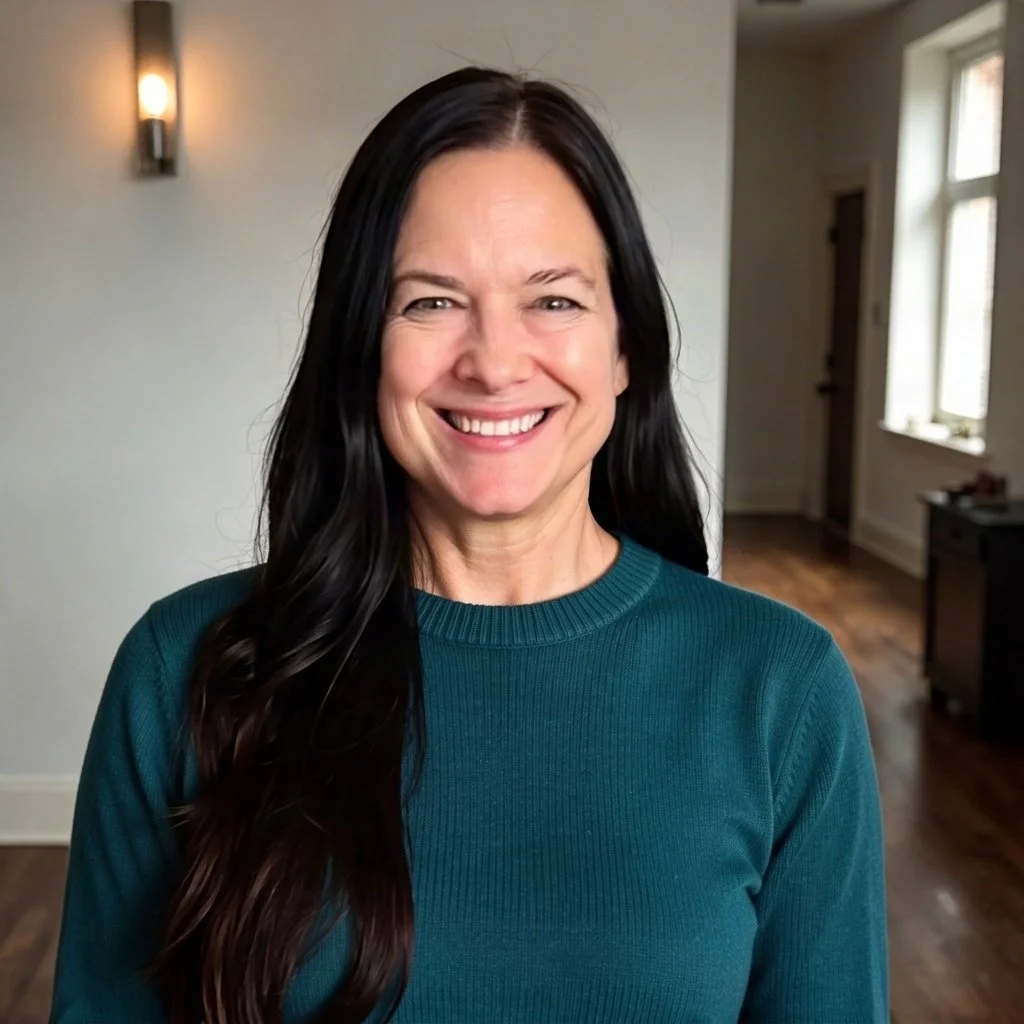
Jackie Jones, M.Ed., LCSW
Stop being so hard on yourself! It’s okay to need different strategies and supports for consistent and meaningful change.!
Therapy provides an opportunity for us to work together to build the right awareness, support and tools for you. Not a generic plan for a quick “fix” that you will not be able to stick to, but a unique approach for your strengths, challenges, goals, and lifestyle.
I provide telehealth therapy (all of Tennessee) and in-person therapy in Nashville, Brentwood, and Franklin in flexible formats.

Does your brain seem to work differently?
Does it seem like your intentions and actions are not enough to make change stick?

Both ADHD and Autism Spectrum Disorder (ASD) bring unique strengths and challenges to our daily lives.
ADHD is more than a difficulty with attention or motivation. It can affect executive functioning, emotional regulation, time management, and the ability to translate intentions into consistent actions. It is not an issue of not knowing what to do.
ASD does not mean you don’t care about other people. Autism-related traits can make it difficult to understand the social expectations of other people. The environment around you can feel like it is too much. Changes in routines and schedules may cause you to feel stressed and uncertain.
They each bring different challenges to sustain behavioral change.
Many times, we need a new understanding of ourselves as a first step, and then new skills, tools and support. My goal is to build a relationship with you that feels helpful, supportive and collaborative, for the change that matters to you!
We have to build awareness, skills, and confidence first
The relationship we build together provides the supportive space to change. Having a partner for change (me!) can feel like an anchor to increase engagement, shift resistance, and provide supportive accountability and co-regulation.
If you have ADHD, you MAY need support to:
understand why every demand and reaction feels so big and personal (rejection dysphoria and pathological demand avoidance)
manage when your brain and body feel like they are sabotaging you (emotional dysregulation)
understand why getting started is so hard (part of executive dysfunction)
build better systems to manage your struggles with healthy consistent habits (all of the above)
improve sleep as sleep Issues are very common
improving relationships, as all of these things can impact how we feel about ourselves and interact with others
deal with the shame and frustration that comes from doing and not doing things when part of you KNOWS. Masking is exhausting.
Dr. Russell Barkley said, “ADHD is not a disorder of attention. It is a disorder of self-regulation- specifically the regulation of behavior across time”
If you have ASD, you MAY need support to:
help identify which areas bring you the most challenges in your life. It could be social communication (understanding social cues), social interaction (rules, engagement), and/or social imagination (rigidity, hyper fixation)
understand how it affects your daily life. People with an ASD diagnosis can experience rumination (overthinking), or OCD traits, or can have diagnosed anxiety disorders and OCD. This perspective impacts change plans
explore if sensory issues are adding additional stress and challenges to important goals
build and practice social skills first, and create a concrete tool kit if helpful
learn and practice identifying and expressing body sensations to build confidence, and assertive communication
Dr. Stephen Shore said “If you have met one person with autism, you’ve met one person with autism” for a reason
What does therapy with me actually look like?
It can feel awkward to reach out, but I promise I will be friendly, nonjudgemental and open to the questions you have during the free consultation and every interaction after that. Therapy works when you feel seen, heard and comfortable to heal and change
Click on button, schedule time that works for you for a free consultation (telehealth).
I will ask you a few questions about your hopes, goals, needs and preferences.
You will ask me any questions you have about me and therapy.
We will decide the next steps. Do you need more time to process? Are you ready to schedule an intake session?
The first steps and the initial intake session (paperwork, learning more about you, working together to decide how therapy fits in your life) can feel boring/frustrating/hard/exciting AND it is super important. It’s like building a strong foundation of a house. We can change or add as we go along, and you should always feel comfortable to ask for clarification and changes.
What does that mean to change or add as we go? You tell me. You might think I am talking too much, too little, using confusing words, not hearing you clearly, giving you too much information at one time, tools that feel too hard or useless. You might want handouts or weblinks. You get the idea. This space is for you. I lean towards a weird sense of humor and personally value tolerance, individuality, and kindness.
Traditional Therapy
90-minute intake session- ($200)
Follow up sessions can be either:
45-minute session w/15-minute telehealth check in between sessions
60-minute session ($160)
Jumpstart/Intensive Program
90-minute intake session
3-hour intensive session
15-minute telehealth check-in’s (you schedule 2)
60-minute follow-up session to celebrate and make a resource kit for continued growth
Program Total ($750)
I currently do not accept insurance. I operate as a private pay therapist, This means that we have greater flexibility in how we shape your care and how and when we work together. Keep in mind:
All insurance companies require a formal mental health diagnosis to prove medical necessity.
I can provide a Superbill, but it will also need to have a diagnosis code. Using HSA funds also requires this.
I am happy to work with any diagnosis you already have and I do provide limited assessment and diagnosis. My focus will always be supporting you in identifying the traits and behaviors that are impacting your daily life.
The ways we will work together in therapy
There are many methods that we can use to work together to reach your goals, as we build a relationship where you feel supported.
-
We can be flexible to best meet your needs:
shorter sessions
longer times between sessions to process and practice
early morning or later in the evening
some weekend availability
3- hour intensive sessions to really focus
-
DBT builds skills for emotional regulation, mindfulness, interpersonal effectiveness and distress tolerance. These are especially helpful when you feel like your reactions are “too much”or “not enough”. It allows for two things to be true at once, like “I am trying my best AND “I can keep growing”. Parts of you can be telling you different things and you can bring them together in the healthiest way.
-
We will explore what matters most to you and how you are in the world. You may want to work on better understanding of your brain. You may want to learn more about social situations or feeling more comfortable with your friends, family, or people at work. You may want to learn more about emotional regulation strategies besides “just breathe”. You may want to learn real strategies that help you manage your life besides what is on YouTube or social media.

About Jackie Jones, LCSW
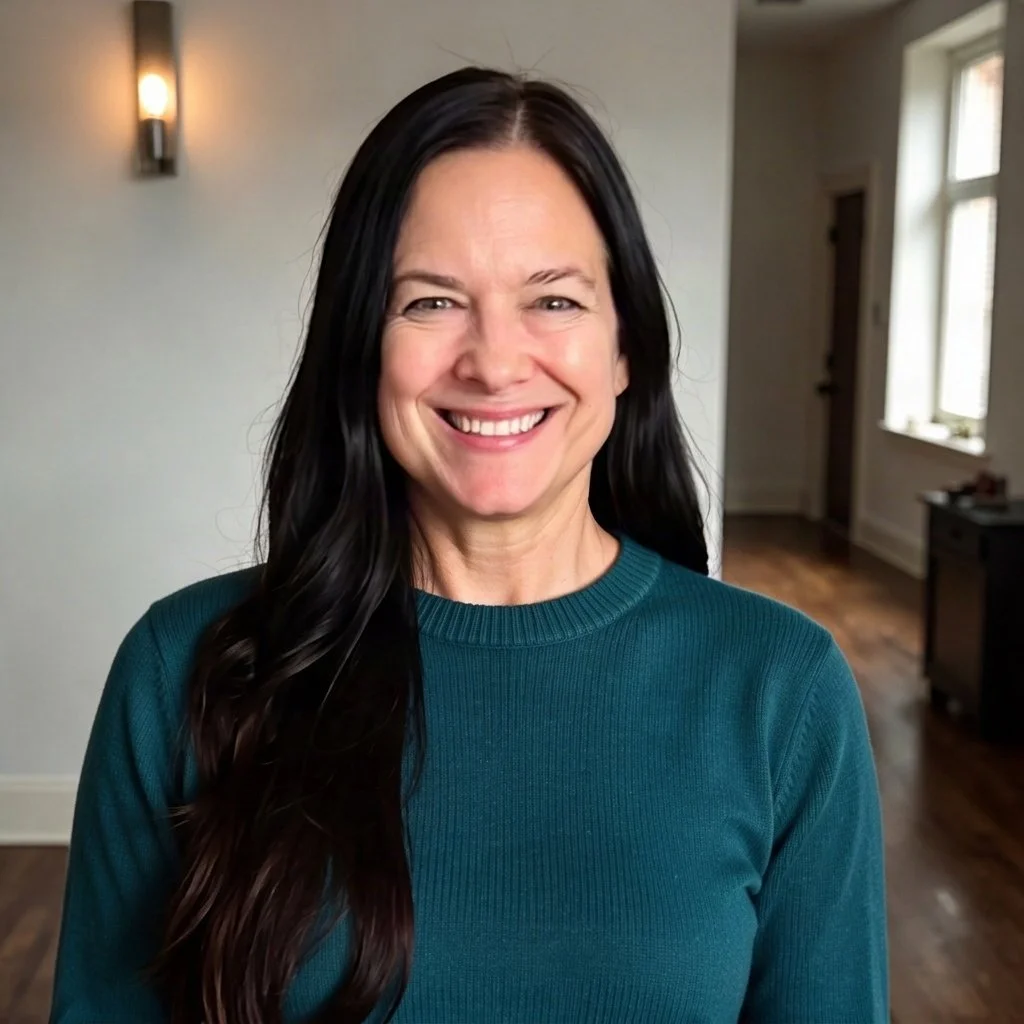
Why do I care about ADHD and ASD?
The short answer is I have struggled with ADHD my whole life. My youngest child was diagnosed with ASD at 3. I have had different roles in public schools and taught and served many students with neurodiversity.
The longer story…
Professionally, I am a licensed clinical social worker. I believe that we are unique individuals that have experiences over our life that are internal but heavily influenced by the systems outside of us. Our families, the people and organizations in our communities, and the larger world. Neurodivergence shifts those perspectives and can make us feel like we don’t belong, or we pretend we do, and there can be a huge emotional and physical cost to that. I have worked in educational settings as a classroom teacher, adult educator, and as school-based therapist. Being human is hard. When doing it the way we are “supposed to” feels especially noisy, hard, frustrating, and/or exhausting, we can find a different way.
Individually, I should have received an ADHD diagnosis in early elementary school. I was incredibly active, athletic, messy, forgetful, verbally impulsive, and incredible sensitive to criticism. I also was academically very strong and smiled a lot to get reassurance, and to balance a very volatile sibling and chaotic family environment. Basically, I was able to fake things really well externally, but inside, struggled to do even basic hygiene tasks regularly. I noticed every emotion and action of other people as evidence of my worth and criticism felt literally painful. The simplest tasks and demands felt like personal attacks on my autonomy. I have two Master’s Degrees, amazing credit and I am almost never late, but I have felt like a giant phony and imposter. When I finally received a diagnosis, I was incredibly sad and angry. I also felt incredibly validated and actually felt some self-compassion instead of constant judgement for the first time in my life. It shifted my perspective and focused my growth and accountability in a different direction. With ADHD, you know what you should be doing, and it is hard to not feel like you could do better if you just tried harder. Self-accountability, effort and self-discipline matter but, I very strongly believe in this quote by
As a parent, my youngest child was diagnosed with ASD when he was 3. Through his journey, I have personally and professionally continued to learn about neurodiversity. I have worked with a large number of people of all ages on the spectrum. Navigating the school setting and the the transition into adulthood is incredibly challenging for so many people and families. It matters. You matter.
Answers to Common Questions
Do you accept insurance?
I currently do not accept insurance, but I can provide you with a superbill. Keep in mind that we need to include a diagnosis if you submit to insurance or use HSA funds.
Telehealth? In-person?
I provide telehealth in Tennessee and some in-person therapy near Nashville/Brentwood/Franklin
What types of therapy do you offer?
I intentionally offer a range of therapeutic approaches and session formats. DBT, CBT-I for sleep issues, Solution-focused, change theory strategies, and Motivational Interviewing are a few. I also utilize ideas from Somatic therapy and mindulness techniques.
Do you provide diagnoses?
As a licensed clinical social worker in Tennessee, I am able to provide assessment and diagnosis of most mental health conditions, but I typically do not diagnose ADHD and I do not diagnose ASD. We can explore different assessment tools to clarify areas and traits that are impacting you the most and guide your goals.
That also means that you do not have to a formal diagnosis to feel like you would benefit from focused goals addressing traits that you feel might be keeping you from feeling like you are the version of yourself you want to be (Example, “I don’t officially have ADHD, but I feel too emotionally reactive”, or “I don’t have ASD but I struggle with social communication and rigidity”).
Could I do a combination of telehealth and in-person?
Yes, if you are in Middle Tennessee, sometimes you could schedule Telehealth and sometimes you could schedule in person.